Discover how autonomous robots developed at Englab’s R&D Center can positively impact the environment and economy through advanced and sustainable technologies.
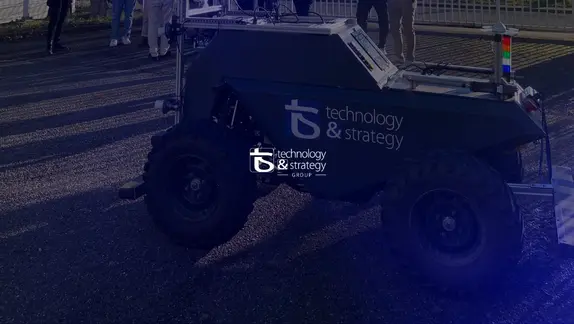
At Englab, we design and test autonomous robotic solutions that support a more sustainable and efficient future. Our experimental platform, including the all-terrain vehicle KIPP, allows us to validate innovative technologies in real conditions. Autonomous robots not only improve operational performance they also have a significant environmental and economic impact.
This article explores how autonomous robotics contributes to sustainability and cost efficiency across different sectors.
Autonomous robots play an important role in lowering environmental impact. By optimizing resource usage and reducing waste, these systems support more sustainable practices.
In agriculture, for example, robots can apply precise and targeted treatments, significantly reducing the use of pesticides and fertilizers.
Recent studies show that autonomous robots in agriculture can reduce pesticide usage by up to 30% and water consumption by 20%. These improvements help farmers manage resources more efficiently while supporting long-term environmental sustainability.
Autonomous robots also deliver strong economic benefits. By automating repetitive or dangerous tasks, they help reduce labor costs and increase operational efficiency.
In construction, robots can perform jobs such as material transport or demolition, lowering expenses and shortening project timelines.
According to recent analyses, using autonomous robots in construction can reduce labor costs by 40% and shorten construction times by 25%. These savings allow companies to complete projects faster, at a lower cost, and with improved worker safety.
In agriculture, autonomous robots create both environmental and economic value. Equipped with advanced sensors, they can analyze crop health and apply treatments only where needed. This reduces the use of chemicals, improves water management, and increases overall efficiency.
Autonomous robots have a powerful positive impact on both the environment and the economy. Thanks to the technologies developed at Englab’s R&D, these solutions support sustainability, efficiency, and responsible resource management across multiple industries.
If you would like to explore how autonomous robotics can benefit your sector, feel free to contact us to discuss your specific needs.


Autonomous robots help reduce environmental impact by optimizing resource use and decreasing waste. In agriculture, for example, they apply treatments only where needed, which lowers pesticide and water consumption. This supports more sustainable and efficient practices.
Companies can reduce labor costs, shorten project timelines, and improve operational efficiency. Robots automate repetitive or dangerous tasks, helping industries such as construction, agriculture, and logistics work faster and at a lower cost while improving worker safety.
Yes. Equipped with advanced sensors, autonomous robots can analyze crop health and apply precise treatments. This reduces chemical usage, improves water management, and increases productivity. Studies show that robots can boost production while significantly lowering labor costs.


Women in industry, leadership, and diversity: discover how Technology & Strategy drives inclusion and supports women’s careers in the industrial sector.
READ MORE
T&S developed SIRIUS for Cryostar, boosting ITP/QCDB productivity, reducing errors by 80% and eliminating vendor dependency.
READ MORE
Strengthen Embedded Linux security with best practices like attack surface reduction, access control, and security by design. Discover how Technology & Strategy helps organizations build resilient, secure systems.
READ MORE
.svg)

.svg)
.svg)
.svg)